Reminder: a seaside safari

Don’t forget folks, it’s only just over a week ’till our nice relaxing bicycle ride to the beaches of Weymouth and Portland. On the morning of Saturday 18th we’ll gather in Dorchester ready to follow the 12km (7.5 mile)  Olympic cycleway to the seaside, and then perhaps have a look at some of the other infrastructure in the town.

The original plan was to meet at Dorchester South station for the 11:52 arrival from Waterloo, but due to requests from those with connections, we’ll hang around just long enough (and not a second longer — we’ve a lunch at the seafront to get to!) for those on the 12:04 arrival to join the back of the pack as we set off. That’ll also give loads of time for those travelling from Bristol/Bath to make the short journey over from Dorchester West station.

If anyone arrives significantly earlier than the meeting time, they’ll probably find me just around the corner checking what’s on offer in the newly redeveloped brewery… perhaps not the new flats, though: even with the excellent advertising line they’ve taken, I’m not sure who’s going to be paying £1.25 million for a flat in Dorchester… I mean… Dorchester

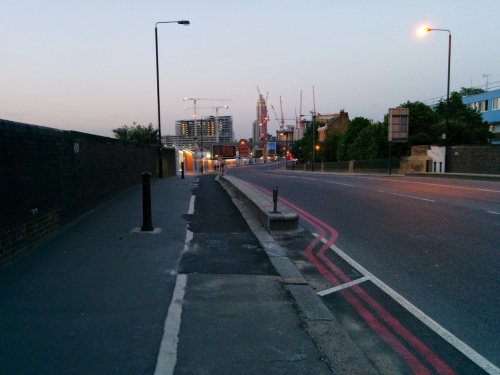
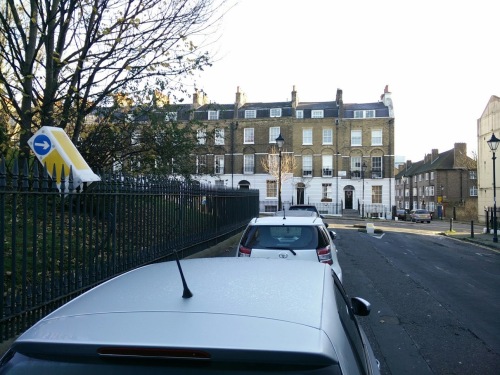
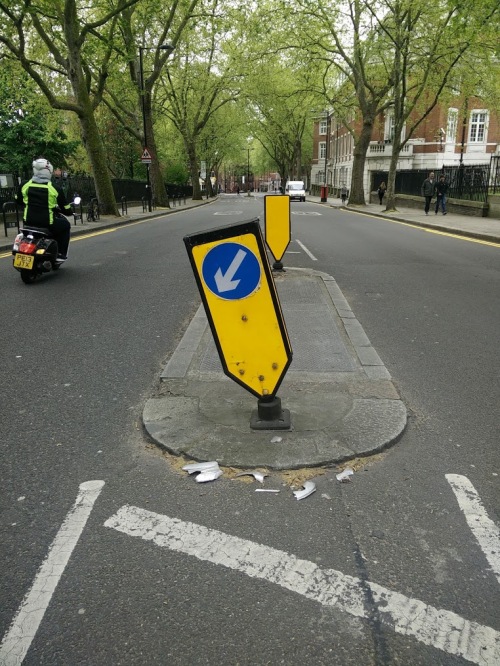
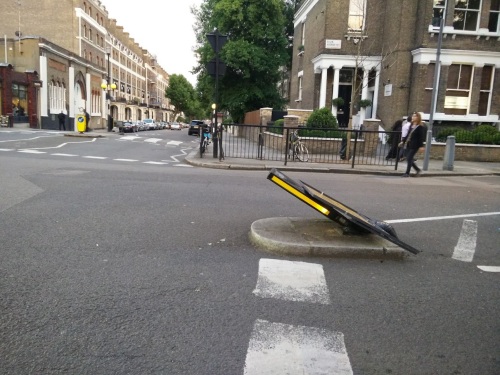
IMAG0420

A seaside safari, again

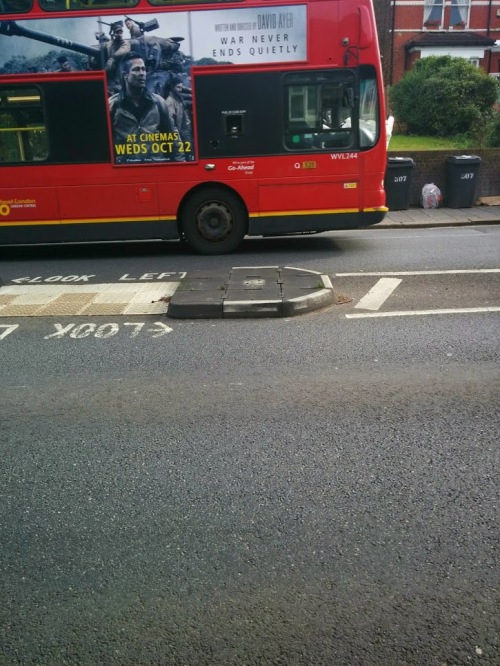
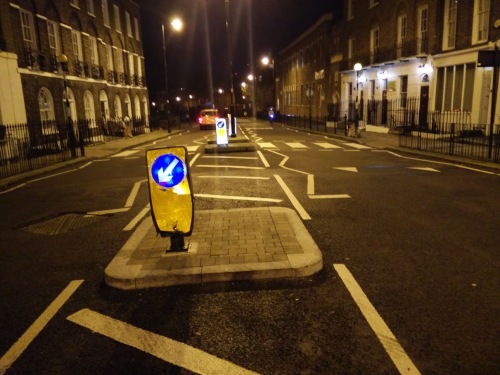
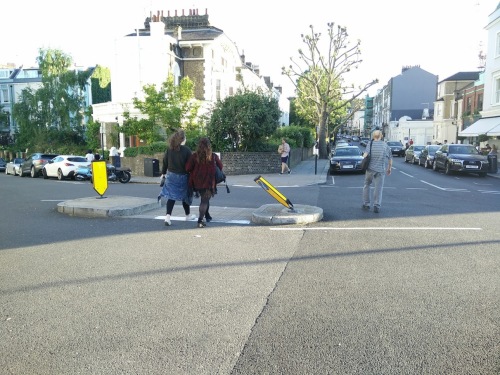
DSC_6498

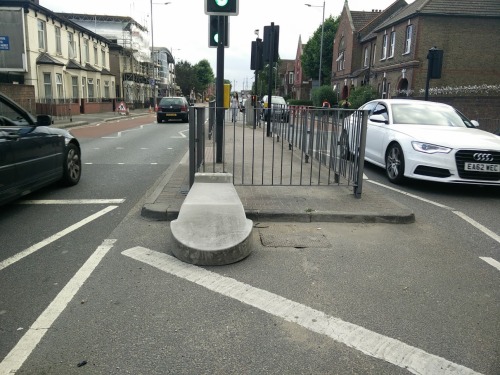
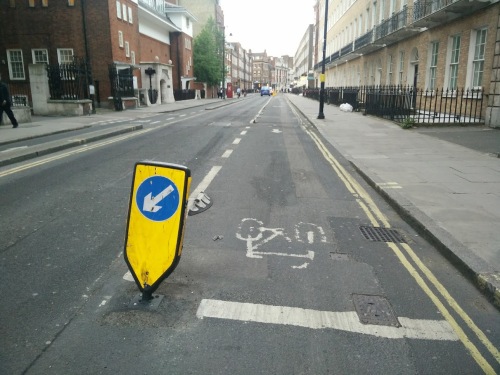
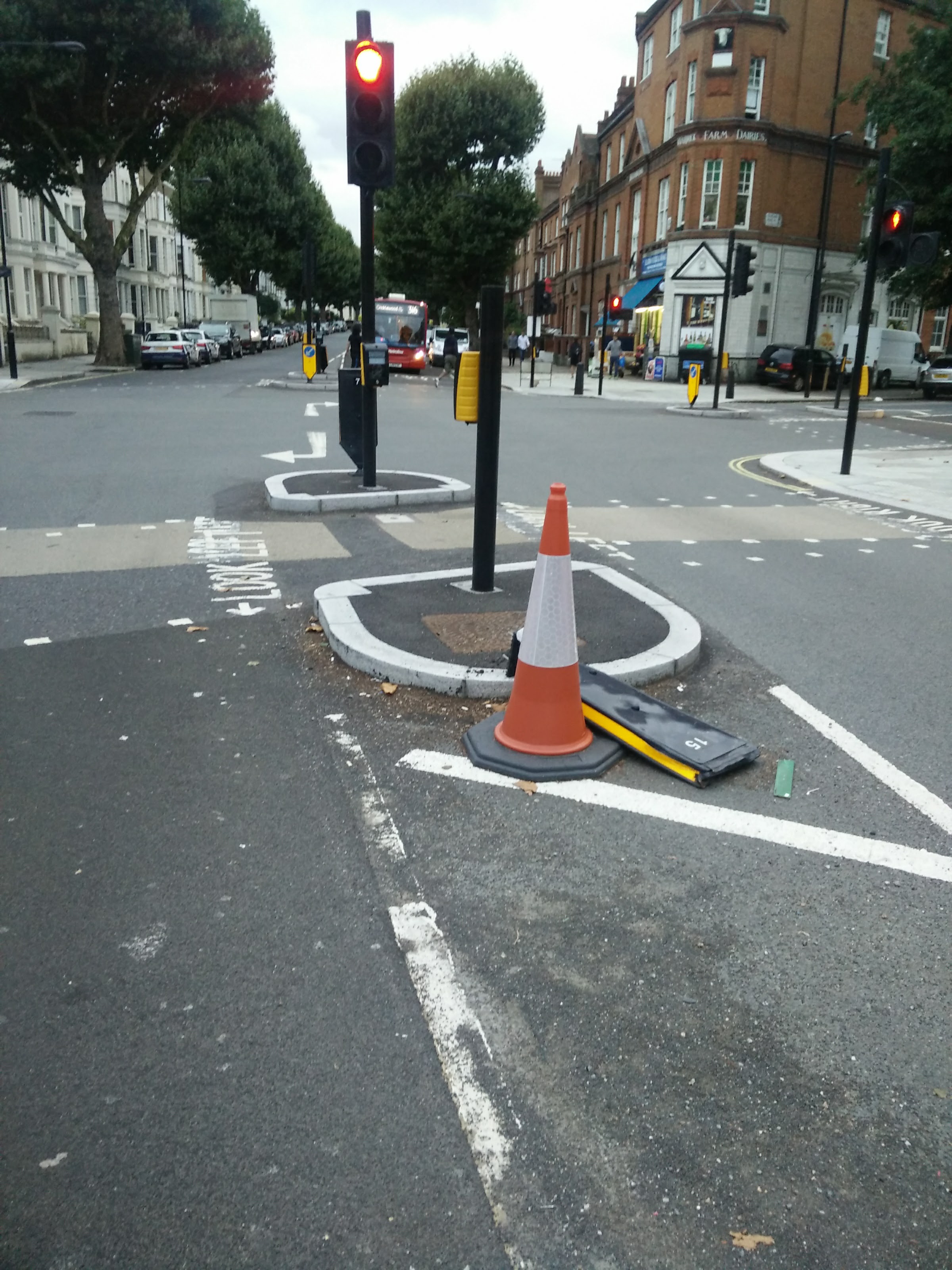
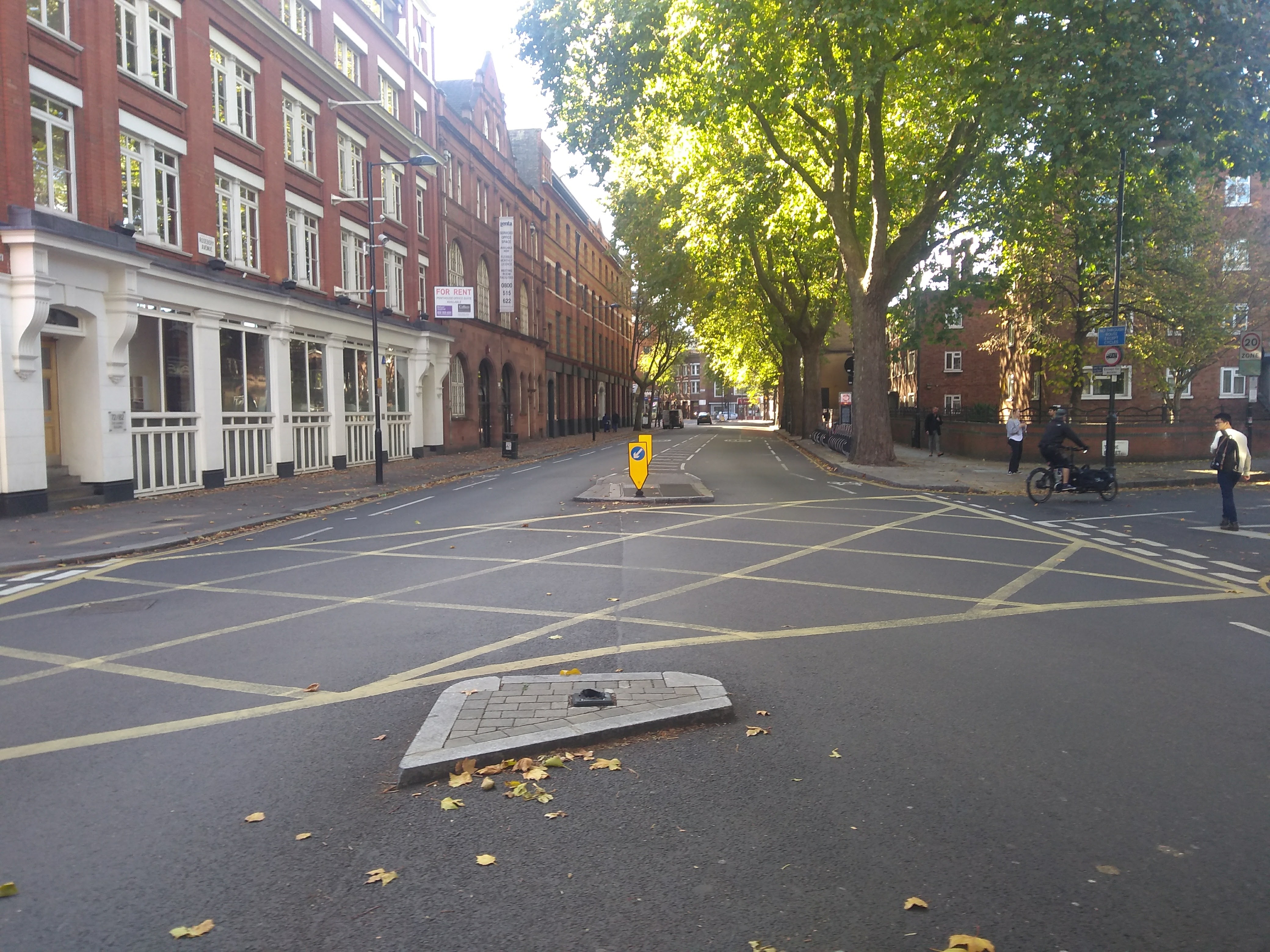
Back in August, Jim led a successful seaside safari in Worthing and Brighton, on which we looked at the good, the bad, and ugly bits of south coast infrastructure for cycling… while, of course, having a nice leisurely bicycle ride beside the beach in the sunshine.

Despite the latest easterly’s feeble attempts at bringing us one last delivery of snow and ice, it can not be too long before we have to start thinking again about days out on the south coast. I am therefore proposing a seaside safari to Britain’s sunniest town and original seaside holiday resort: Weymouth.

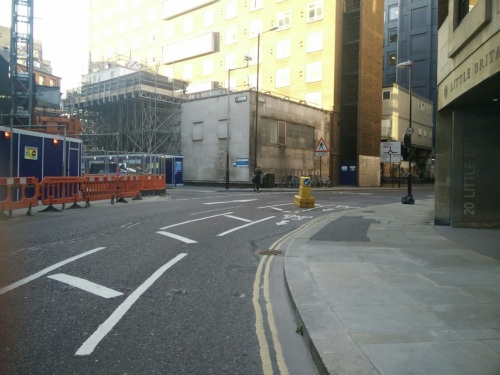
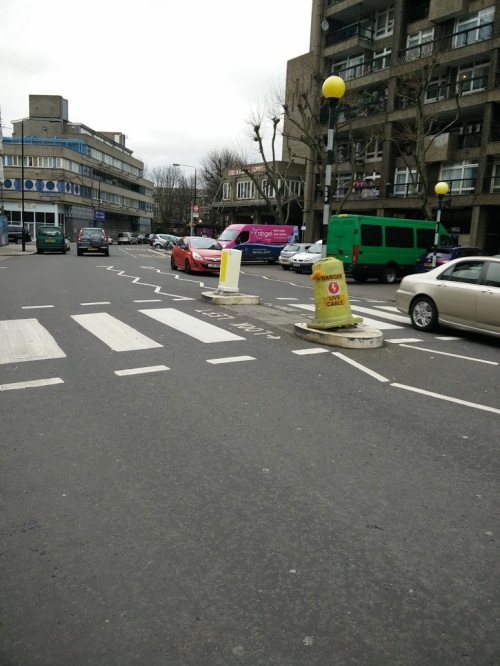
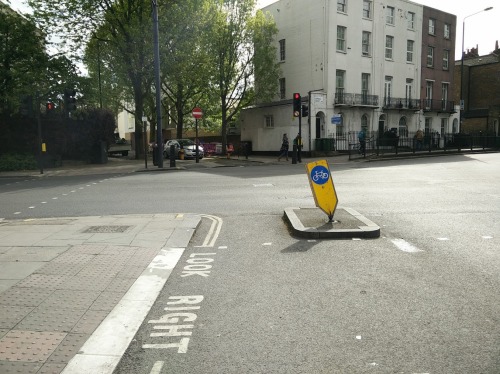
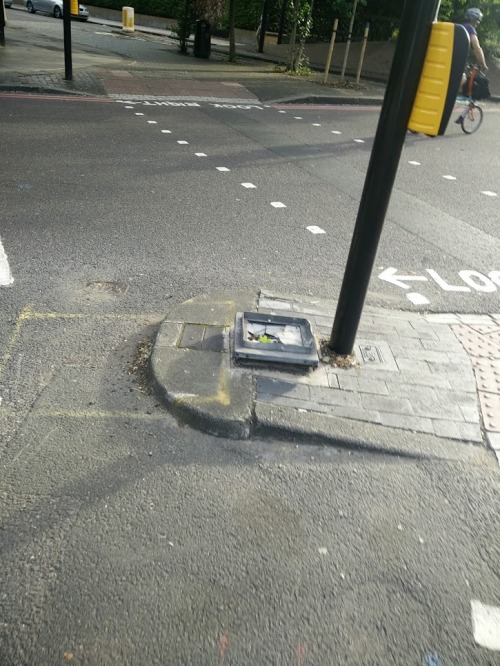
DSC_6444

Weymouth could be an interesting little case study for infrastructure: a somewhat smaller town than those we’ve visited on previous safaris, with the inter-urban Olympic cycle track on the main road into the town and, like Bristol, a growing network of away-from-road multi-user paths, including the Rodwell Trail railway path. It also has some infrastructure on hills.

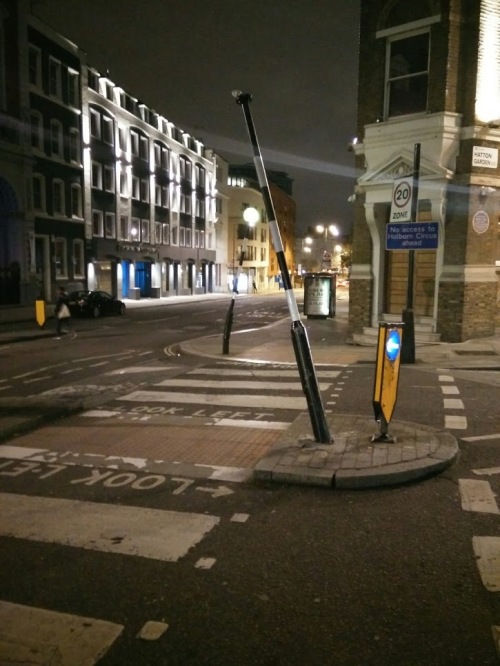
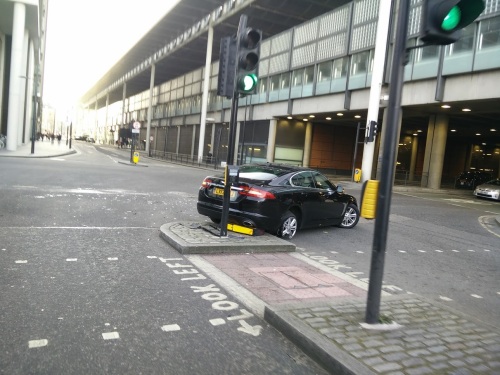
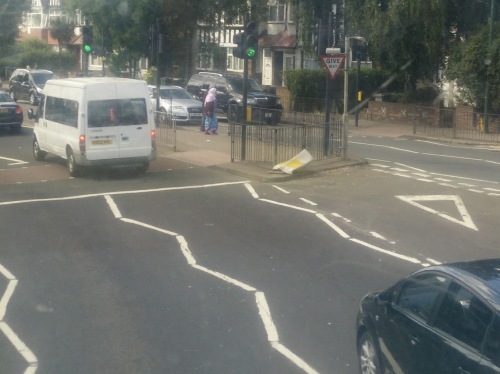
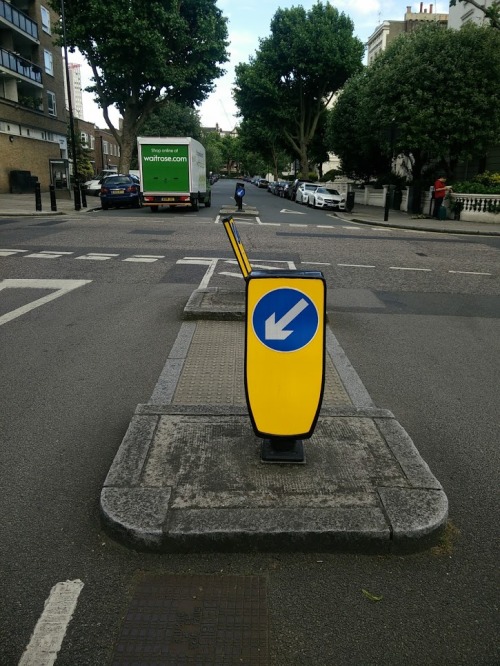
DSC_6481

I’m proposing Saturday 18th May (while folk at the other end of the island are Pedalling on Parliament), meeting at Dorchester South at 11:52, for the (6 full-size bicycles per train) arrival from Waterloo. Folk travelling from or through Bristol would arrive five minutes earlier a couple of hundred yards away at Dorchester West. We’d spend an hour or two — depending on how fascinated everyone is by the infrastructure design — covering the 7.5 miles / 12 kms of mostly traffic-free route to the sea front for lunch, followed by options for further rides (probably the Rodwell Trail out to Portland Harbour and Chesil Beach), ending at a pub near to Weymouth station, or else the option for folk to split off for their own family afternoons with the Punch and Judy shows on the beach.

But that’s only if enough people express an interest. Is anybody interested?

Update: I have had sufficient interest here and on twitter/email/etc to give the go ahead exactly as described above. And cheap advance train tickets have just gone on sale today. If you want to reserve bicycle spaces with your ticket, I’d buy from the East Coast website. Though those with railcards (including the Network Card) might find that a flexible walkup ticket is not a bad deal on the weekend.
Condensing all this cycling stuff into eight minutes

On Wednesday afternoon I spent an hour chatting with Rachel Aldred at the University of Westminster. You might know Rachel from the likes of the Cycling Cultures research project, or from the London Cycling Campaign policy committee, for which she has just taken the chair, or from her blog.

We talked about the importance of researching cycling, Cycling Cultures, the “Get Britain Cycling” parliamentary inquiry, including what the barriers to cycling in Britain are and the infrastructural and systemic changes that are required to enable cycling, and about Rachel’s latest research into the uses and abuses of transport modelling. We also chatted about cycling campaigning: her research into it, and the great effect that the internet is having on it, plus her own work for the LCC.

Among other things, the ‘uhms’ and ‘ahs’ and ‘oh, no, lets do that bit agains’ and ‘who would have guessed radio could be difficult?s’ have been cut out, leaving eight minutes to be included in The Pod Delusion, broadcast in London at 11am tomorrow (Sunday) on Resonance 104.4, or else podcasted here. A longer half-hour cut which includes the campaigning chat should also be made available to download there, or here, or somewhere, at some point.

I fear eight minutes chat might not have been enough to discuss the entirety a topic that deserves to have a book written about it (agents and publishers can contact me on the email address in the about page if they’re looking for suggestions for the person to write it), and that we were perhaps talking a little too much to our already well-versed blog audiences rather than the general Pod Delusion audience. But if you liked it, I might consider leaving the comfort of the word processor behind again in the future.

That’s if I can find a way to get over that whole horror of hearing how your own voice really sounds thing.

“All that blogging has achieved is ‘Go Dutch’,” and other flattering criticisms

I had a most entertaining conversation after the Street Talks just past. I was ambushed by a cycling campaigner of the old school, for want of a better set of words. He helps to run a national club for cycling and cyclesport enthusiasts. You might have heard of them from their occasional forays into matters of transport policy.

This gentleman and I knew each other from previous transport policy discussions, and he was keen to pursue a particular pet issue of his — the idea that for “cyclists” to have political influence they must resolve their differences and present a united front. (Why that idea is wrong is not for this post.) Specifically, the conversation concerned whether there is any appetite amongst representatives of those campaigns which I have been involved in or support to have meetings with him and his own club, with the aim of resolving those differences and producing that united front.

I explained why I thought that any appetite was unlikely to be a large one, given our experience of such talking shops and our scepticism of that “united front” premise. The entertainment began when I suggested a far better method of achieving progress than small groups talking for a couple of hours behind closed doors (usually at length about the pet issues of whichever person can talk the longest and interrupt the most often): blogging. I hardly need to explain the merits of blogging to you. Writing is an excellent method of disciplining and clarifying thoughts and ideas, something that my brain is usually otherwise unable to do fast enough in flowing live discussion. Writing publicly doubly so, for if you are going to announce adherence to an idea in a form that attaches it to your name for all to see, potentially permanently, you make extra effort to ensure that it is not a foolish one. Blogging is primarily a means of motivating oneself to research a subject meticulously, and think the issues through thoroughly. But of course it’s much more besides. It’s a means of getting those ideas reviewed, by others who might bring facts that you missed and perspectives which were unavailable — a much wider, more diverse and more interesting group of others, in my experience, than the men (for it is they) who invite each other to discuss cycle campaigning behind closed doors.

These are, of course, just the same old centuries old processes by which ideas have been developed and spread. Blogging is simply the easiest technology with which to do it these days.

But you know all this.

This gentleman, however — this fan of monocultural behind-closed-doors cyclist talking shops — has his own ideas about what blogging is, and he started by stating very bluntly that he will never ever participate in such things, useful, as they are, only for “preaching to the converted” (show of hands who was converted by the revelations of the likes of A View From The Cycle Path. OK, order, settle down again now everybody).* All that bloggers have achieved, he said, is Go Dutch — “a failed campaign”.

I believe that the London Cycling Campaign perhaps deserve some share of this most flattering of put downs — this backhanded criticism, if you’ll allow such a phrase — but he is certainly right that the campaign would never have happened without David Hembrow and Copenhagenize having shown us what we are missing; without the years of Freewheeler chipping away at the misunderstandings and misinformation of the anti-infrastructuralists, and the received wisdom of British cycle campaigning; without i bike london and Cyclists In The City paving the way at Blackfriars Bridge, drumming up protest on a scale that clubs and campaigning organisations had been failing to do; and without Vole O’ Speed putting the case for the campaign to LCC members.

Those people and many more must each take their share of the blame for Go Dutch. They must take the blame for the most significant shift in the direction, ambition and courage of campaigning in more than half a century. They must take the blame for a coherent campaign with clear vision and simple attractive pitch. They must take the blame for a campaign that people actually thought worth campaigning for, even in the dreich and drizzle, in their thousands. They must take the blame for a protest with a cause that was capable of motivating and attracting more than just the same old crowd, including a healthier-than-usual turnout of women, families and older people. They must take the blame for full-page stories exploring their campaign goals in the Evening Standard and national newspapers. They must take the blame for all of the main mayoral candidates feeling the need to debate the issue in public, and for all of the main mayoral candidates pledging support for their demands. They must take the blame for the first signs of the TfL supertanker turning: for the latest “Cycle Superhighway” designs being a world apart from the earlier routes.

If Go Dutch is all that bloggers have achieved, then in a few short years bloggers have achieved something far more exciting, far more concrete, and far more worthwhile than his club has achieved in decades.

But Go Dutch is a failed campaign, apparently. Because Boris won’t have turned London into Amsterdam by the end of his term. Or something. Luckily, this man and his club have just launched their own campaign, for a “cycling utopia”. So we can all look forward to the great success of that.

I am being unfair. I am judging someone by the ideas they propose in the middle of flowing debate immediately after describing my own lack of comfort with this medium for developing ideas. But there is a point to all this. Go Dutch is an appealing and popular vision. In addition to the thousands of cyclist and would-be-cyclist  supporters it motivated, the LCC campaign marches in step with The Times’ and Cities Fit For Cycling; with the academic community; and with the likes of the Cycling Embassy and dozens of local campaign groups around the country. And here it is being criticised by a man who believes in the utmost necessity of cyclists presenting a united front. I wonder whether he or his club have ever thought to check who it is that’s marching out of step?

* I’ve never really understood “preaching to the converted” as a criticism anyway. The Pope preaches to the converted, and he’s way more influential than the bloke who shouts about salvation on the pavement outside Brixton tube. Preaching to the converted is what motivates the converted to action.

Insults, injuries and incompetence

Boris shouldn’t just apologise for blaming cyclists for getting injured. He should correct the policies that are based on this mistake.

It will come as news to nobody that making a journey by bicycle on Britain’s roads means exposing yourself to a considerable number of people who are operating potentially lethal machinery despite having neither the skills nor the temperament for the task. The fact that a significant proportion of the people society has allowed to drive on the public highway are simply not competent behind the wheel is far from a new phenomenon. Indeed, it was one of the inspirations for starting this blog two and half years ago.

Over those years the blog has strayed off into all sorts of other areas, like designing out the need to deal with incompetent drivers entirely, but the original issue has been back at the top of my mind — partly due to the other thing I’ve been working on. Mostly, though, I think it’s because of the forceful reminder of the fact that comes from moving to SW17, just off Cycle Superhighway 7. Perhaps I’m just imagining it, or perhaps it’s simply the psychological bias towards to the recent, but after a New Cross-Bloomsbury commute, the roads between Tooting and South Kensington seem to have more than their fair share of the sort of motor vehicle operators who demonstrate a screaming lack of the aptitude and/or attitude that the activity requires.

It’s particularly highlighted in south west London by the near zero speed limit compliance around CS7 between Kennington and Clapham outside of the rush hour congestion, and the folk using the bus and cycle lanes to pass already speeding traffic as they try to get their high-powered cars — which I’ve always presumed must be stolen from the West End — back to Stockwell and Streatham. Or the few folk who still insist on commuting to the City by car, desperately seeking a ratrun back to the Surrey suburbs and not allowing any of LB Wandsworth’s traffic calming to slow them down as they slalom in and out of cycle lanes on residential streets like Burntwood Lane…

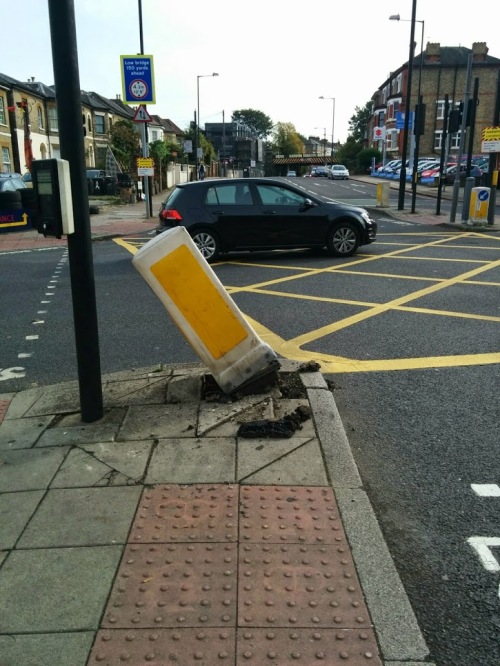
Burntwood Lane, LB Wandsworth

Morons in South West London just see traffic calmed residential streets with schools on them as the next level up in the game. Few of the bollards shown remain in situ.

And yet there is one person to whom this blindingly obvious problem might have come as news, at least until recently: Boris Johnson. During his successful campaign for re-election in the spring, the famously carefree with facts Mayor made the absurd claim that two thirds of cyclists who had been injured and killed on the city’s roads were breaking the law when they were injured. After months of pretending that he was trying to remember what the evidence for the obviously fictional factoid was, he finally retracted it — once the election had long passed.

Last month, Jenny Jones MLA asked the mayor to apologise:

In your response to question 2450/2012, you admit that Transport for London’s statistics and research completely disprove your previous claim that two thirds of cyclists who have suffered serious injuries were breaching the rules of the road at the time. Will you now apologise for wrongly blaming cyclists who have been killed or injured on London’s roads through no fault of their own?

The mayor instead decided to send a great big “fuck you” to victims:

Please refer to my response to MQ 2450 /2012.

But it seems to me that Boris has much more to make amends for than merely insulting the victims of bad driving and the way we operate our streets, and he needs to take far more substantial action than making an apology.

Because Boris is responsible for the problem, and if he really has been labouring under the delusion that it is cyclists who are responsible for the carnage on the capital’s streets then his mistake would at least explain why his policies have so far failed to do anything to address the problem.

The office of Mayor of London has always incorporated the role that in the rest of England and Wales is now played by the recently introduced Police and Crime Commissioners. Policing priorities are therefore ultimately Boris’s responsibility. And there is no remotely realistic policy in place for tackling the problems of life-threatening incompetence, aggressive anti-social behaviour, and barefaced criminality amongst operators of motor vehicles that is on near constant display every evening along Cycle Superhighway 7 and the residential streets of south west London. Boris has allowed deadly dangerous driving to carry on as the norm, apparently because he was oblivious to it, preferring to pursue policies targeted at changing cycling behaviour.

He has added insult to injury and he needs to apologise for both.

Stainless steel has spoiled my railway station

In the absence of my having written for the blog anything worth reading, here’s the next best thing: some frivolous nonsense that I amused myself with on the train a while back and couldn’t be bothered editing into shape. It’s basically 5 minutes that you’ll never get back.

a picture what I took for Wikipedia

Despite the timeless complaints of rising fares, overcrowded commuter trains, and the engineering work that forces us to sit around for an infuriating few minutes longer than we had scheduled for, a romanticism remains attached to the railway. It might be hard to find when we’re waiting on a signal failure outside Clapham Junction, but it all comes back when we escape the peak time commuter train and take to the tracks not so much for transport but for travel.

Partly it is the change of scene. Partly the scenes themselves: the landscape and architecture and history that we pass through. The great gothic brick terminus stations with their vast glass trainsheds, and the lichen-covered concrete of the art deco signal boxes beside the line. The high viaducts over big rivers, and the tunnels that take you to some surprising new scene. It’s the lush green embankments marching through the flat fens and low wolds, and gently curving as they snake through high Pennine moors of Yorkshire and bleak empty wildernesses of the West Highlands and Sutherland. It’s the sea spray on the window beside the beach at Dawlish, and the crowd of crossings on the Tyne. The crawl of the ironically named “sprinter” train on the Cambrian Coast route, treading a careful line between the beaches of Cardigan Bay and the peaks of Snowdonia. The tangle of the brick arch viaducts with the rivers and canals on the final approaches to Manchester Deansgate and Birmingham New Street, and that mysterious metallic clatter in the tunnel between Edinburghs Waverley and Haymarket.

Glenfinnan

It’s the Britain that the railways tied together, not the railways themselves. Oh no. I have little time for romanticisation of the trains themselves, or the selective memory that comes with it. I have no longing for the era when thousands died from the lung diseases caused from a lifetime breathing air thick with soot; no longing for the time when deaths in train crashes were almost as casually accepted as deaths on our roads still are today. I have no illusions about the comfort and customer service offered by the early railway companies, who went out of their way to make the third class services — which they had been reluctantly compelled to provide with regulated fares — as unappealing as possible.

I like the fact that stations these days are well lit and relatively free from the fear of crime; I like the fact that wheelchair users can (mostly) access today’s trains, and the visually impaired can see where the doors are; I like the fact that the clickety-clack rhythm has been traded for safe and reliable continuously welded track. The high costs, overcrowding and unreliability of long distance commutes may be modern phenomena — but only because modern trains are fast enough, efficient enough and reliable enough to enable the lifestyle choice of long distance commuting. The modern railway, for all its imperfections, is far better than the imagined romantic railway of the past, and I have no time for those who complain that this or that aspect of it lacks the “character” that it once had.

That is, until they ruined my local station with stainless steel fixtures. Templecombe, an unimportant little station in a plain village in an unassuming corner of Somerset, is one of those places that means so much more to those who romanticise the railway than its hourly service of early 1990s diesel units to Waterloo would suggest. The station represents all that was lost of the railways and all that went into saving them. Once a busy interchange between the Somerset and Dorset Railway and the Southern Railway’s main line to the West Country — one half of a fierce competition with the Great Western for the custom of London’s holidaymakers — the station has lost entirely one of its lines, and had the other — finally thoroughly defeated — reduced to a single track shadow of its former self and left to decline for several decades. The station itself was one of the many closed in the Beeching Axe, and perhaps its main claim to fame comes from being one of the first to have reopened, thanks to the hard work of campaigners and volunteers in the 1980s.

It’s thanks to those volunteers and campaigners that Templecombe has those things that give the railway its character. The elegant brick signal box with its old-fashioned futuristic style, and the Victorian iron footbridge with its once carefully painted orange, white and blue detailing. The little waiting room decorated inside with vintage posters and large photographs of the station’s past, and the carefully tended flower borders behind the platform. That was, until they ruined it with stainless steel fixtures. On one of the country’s last remaining lines to be controlled by old fashioned lever-operated points and signals, worked by signalmen in signal boxes at stations along the line, Templecombe and its neighbours have always, out of operational necessity, been staffed full time. Until, that was, the commissioning of the line’s new modern signalling system in the spring, allowing all of its station staff to be replaced with a computer in a Basingstoke office block.

With no staff left to help wheelchair users cross the single remaining track to the isolated platform, a new accessible platform — a flat pack pre-fab — had to be added on the near side. Characterless concrete with a thin smear of tarmac, no vintage posters are pinned to the stainless steel “shelter” with its deliberately uncomfortable rough sleeper-repelling seating, no baskets of flowers hang from the stainless steel lamp columns, no orange, white and blue hides the stainless steel of the perimeter security fencing.

It turns out that the olden days were definitely better — but only the ones between when I was born and when I turned into a nostalgic old man.

Some notes on the National Cycling Strategy

I wrote this on Monday, but have been so busy I didn’t notice that I hadn’t tidied it up and posted it. But I don’t have time to tidy it up, so here it is, rambling and unfinished, and probably of interest only to a rather limited audience of campaigners…

A flurry of conversation seems to have broken out looking back at the National Cycling Strategy of 1996. This is good: understanding why past policies and campaigns failed, and learning how to do things differently, is important. And the current conversation is centred on a pretty fundamental disagreement over what exactly went wrong with that policy. Freewheeler has already described the dispute over which history is correct, and expresses some scepticism regarding this version of events which was given by Roger Geffen of the CTC:

Back in 1996, the cycling lobby managed to get some ‘fine words’ on cycling written into a new National Cycling Strategy (NCS), together with some ambitious targets for increased cycle use. It had taken several years of persistent effort, led by CTC, to get that far.

However, at that stage, the Government had made no commitment either to fund the NCS, or to integrate it into wider transport policy objectives. In other words, the targets to increase cycling weren’t seen either as a way of contributing to the wider aim of traffic reduction, nor were the aims of reduced traffic or reduced speed seen as necessary for cycling to flourish.

At the very moment when we needed to focus on securing funding for the NCS, and integrating it into a wider policy framework which supported cycling, the cycling lobby instead broke into a big argument about segregation. This merely provided Whitehall with a perfect excuse to allocate no funding to cycling – “if cyclists can’t agree what they want, what’s the point of funding it?” In other words, we allowed ourselves to be divided and ruled. Hence the NCS never got anywhere near achieving its targets (which were then abandoned c8 years later), and we’ve been living with the consequences ever since.

I’ve seen Geffen make these claims before, and, like Freewheeler, I’ve looked for corroborating evidence and never been able to find any. Quite the opposite. Having researched and written about the history of cycling policies (you’ll have to wait for that), I’m having a lot of trouble reconciling Geffen’s memory of the NCS with the published history. Geffen’s account doesn’t fit with what was happening either before or after the adoption of the policy in 1996.

Firstly, Geffen’s description of the policy’s context — that it was the result of years of persistent lobbying effort — doesn’t seem quite right. One must remember that transport policy was actually a comparatively high profile issue in 1996. The third major wave of road building, launched with Thatcher’s 1989 Roads for Prosperity paper, had led to the inevitable backlash and fierce protest, with the M11 Link, Twyford Down, Newbury Bypass and with Swampy at Fairmile. Lefty environmentalists hated the road building, but so did conservatives, concerned about the shires, heritage, their homes, and their chances at the looming election. At the same time the “new realism” of transport policy and planning, which recognised that accommodating car use growth can not be a sustainable policy, was spreading beyond the academy. And so George Young, the bicycling baronet, was appointed Transport Secretary in 1995 in order to shift the department’s policy. Road building was scrapped and the NCS was developed. So if the Conservatives and Labour were falling over themselves to say nice things about cycling in 1996, I fear it was less a case of the government suddenly giving in to CTC lobbying and more to do with the fact that voters across the spectrum had united against the extremely unpopular road building policy.

Second, Geffen portrays a policy which was written and targets which were set, but which then failed to get off the starting blocks because funding was cancelled. But this is not the National Cycling Strategy that the official documents describe. Granted, official documents are themselves hardly to be considered reliable histories of policy, but the discrepancy would still seem to warrant explanation. There are discrepancies with the original NCS document itself, but the more interesting contradictions are with this House of Commons brief history of cycling policy, with the 2005 DfT NCS review document (which led to the replacement of the NCS with Cycling England), and with Golbuff and Aldred’s history of cycling policy.

The National Cycling Strategy obviously failed. But not because it failed to be implemented. Far from quietly disappearing in 1996 while cyclists argued, the incoming Labour government — with John Prescott in charge of transport — took up the policy and increased its priority and the available money. Local authorities were instructed to develop cycling plans in their Local Transport Plans (the process by which central government part funded local transport projects back then). This is what Keith Bingham refers to in the piece that Freewheeler quotes from:

Sir George told us it didn’t need any money as such, because transport planners would be required to include cycling within the budget already provided for general transport development.

The NCS was funded, by the mechanism that was (and in essence still is, with minor variations like LSTF) in place for funding such things, and things did get done. The NCS review of 2005 found that something in the region of £200,000 of the DfT’s money had been spent by local authorities implementing their cycling plans, buying enough paint for 674 advance stop lines, 3093 kilometres of gutter cycle lane/car parking bays, and 4072 kilometres of shared pavements, along with several thousand cycle parking places.

This was an era of a great proliferation in useless facilities, and all the while that this crap got built, people carried on abandoning the bicycle as a mode of transport.

(The decline in use private transport over this period is compensated for by a great increase in the use of trains and, in London at least, buses.)

£200k spread across the whole nation (well, the DfT’s jurisdiction of England excluding London, at least) and several years is obviously as good as nothing — worse than nothing when it’s paying for crap like advance stop lines and other useless lines painted on roads. But how were the government to know otherwise? The mantra of the day was that cyclists are cheap to provide for: all they need is some Sheffield stands, a bit of paint, and “improved road user courtesy“, which is easy, right?

The strategy failed not because of a lack of funding but because of a lack of any understanding in government — national and local — about what needed to be done and why. The miserly sums spent on it merely reflect the fact that nobody had any idea of the scale of the problem or of the substantial changes that are required to fix it.

The main fundamental flaw in the NCS is that which was identified by the 2005 review: that local authorities — overstretched and lacking the necessary expertise, and in some cases actively opposed to the policy — were put in charge of implementing national policy, with inadequate guidance and resources. The miserly sums spent reflect less central government’s refusal to pay, and more local authorities’ lack of clue and/or care about what they actually need to do to break down the barriers to cycling. It’s why Cycling England was created to replace the NCS in response to the 2005 review, with an annual budget soon rising to 2000 times the amount the department was spending each year on local authority delivery of the NCS, and close supervision of what the money was being spent on.

The other big flaw — the one which was only partially recognised by the review — was that guidance for what to provide for cycling was not, and (despite revision) still is not, fit for purpose. Advance stop lines and crappy cycle lanes are what authorities were told they should be painting, and advance stop lines and crappy cycle lanes are what got painted.

The lessons from the NCS episode are that local authorities shouldn’t be put in charge of delivering national transport policies, and that there’s no point in having a policy at all if the people in charge of it don’t know what works and what doesn’t and what actually needs to be done or even why they should be doing it.

The final thing to comment on is the claim that another reason for the failure of the NCS is that it was not set in a wider framework for modal shift. In fact, the history of cycling policy that I’ve given is very closely tied up with the wider transport policies, which are documented at length in Shaw and Docherty’s Traffic Jam — a review of policy in the New Labour era. I’ve already described the context of the rise of the NCS: the dramatic demonstration that public opinion was against road building, a shift in policy away from attempting to accommodate growth in car use, and the installation of a transport secretary friendly to cycling. When Labour took over in 1997, we got in John Prescott a very rare thing: a transport secretary who seemed to actually want the portfolio, and who set out a vision, the New Deal For Transport, the opening lines of which reiterate the consensus for radical change in policy at that time, and propose an “integrated” and “sustainable” transport system. Prescott promised investment across the board, including giving 25 cities tram networks.

But the government were shaken when the “consensus” for reducing car use was challenged by hauliers blockading refineries in 2000, and the new deal had the fight taken out of it when John Prescott moved on from transport in 2001. Transport policy was crippled by the fact that there was strong public opinion against accommodating growth in car and truck use, but some equally strong opinions and powerful forces against taking from the road to provide for the alternatives. And so after Prescott a succession of short tenured transport secretaries — bland career politicians hoping to avoid controversy — passed through without really doing anything much at all. Without any leadership, the the tram networks quietly died, “sustainably” and “integration” lost all meaning, and the National Cycling Strategy plodded along without anybody really noticing how ineffective it was until 2005.

I could continue and go into whether it’s really more important to have one united “cycling lobby” than to at least have a clear voice asking for the right things, either then or now, but this post is already long and rambling enough, and I’ve no time for pruning and editing.